
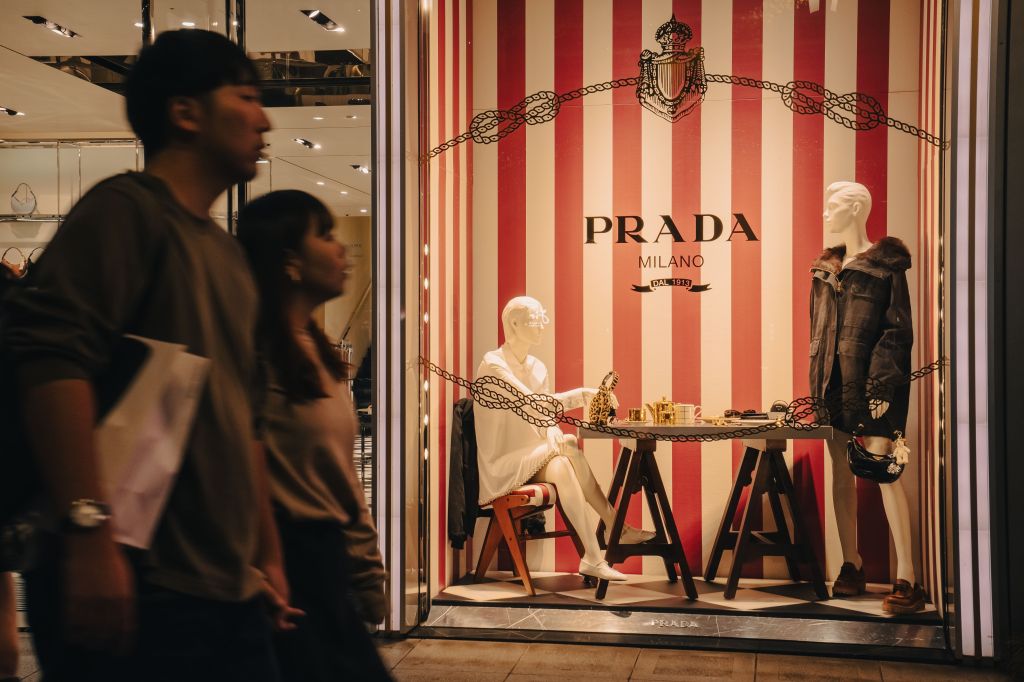
Emotional connection is now the number one driver of luxury brand desirability in both the U.S. and China, two of the world’s most important luxury markets, according to a new report.
The study from McKinsey & Company and BoF Insights, The Business of Fashion‘s data and advisory team, which polled 2,000 luxury shoppers, shows that emotional connection ranks above craftsmanship, heritage and logo recognition.
Emotional connection drives luxury spend
In the U.S., emotional connection has risen alongside self-expression and personal identity, while status signalling and logo recognition have receded as motivating forces steering luxury consumers’ buying decisions.
This is helping fuel momentum for challenger brands, with 68% of U.S. consumers saying smaller, independent labels reflect who they are, more than those citing legacy luxury fashion houses.
In China, the picture is more layered. While emotional connection has emerged as the leading driver of brand desirability, recognition and social confidence remain important, reflecting the continued role of luxury as a vehicle for social validation. A third (33%) of regular luxury shoppers in China say they buy to “feel more confident”, rising to 47% for occasional and aspirational luxury consumers.
“Brand desirability cannot be manufactured through price or scarcity, but has to be earned, market by market, client by client by building emotional connections,” Imran Amed, Founder, CEO and Editor-in-Chief of The Business of Fashion, said.
From restricting access to rewarding loyalty
At the same time, luxury shoppers are growing sceptical of artificial scarcity, the report says. This means they increasingly view waitlists and limited availability as sales tactics rather than a marker of genuine value.
Instead, high-end consumers are more interested in aligning themselves with “insider communities”, which is opening up opportunities for smaller, challenger brands to carve out demand and gain market share from more visible, traditional houses.
In the U.S., for example, 40% say early product drops, limited editions and loyalty rewards generate a sense of exclusivity. Meanwhile, in China, bespoke and personalised service ranks as the number one driver of exclusivity.
Moments over materialism
Materialism and the age of ‘peak stuff’, means luxury’s value is evolving in the eyes of shoppers, becoming a facilitator of experiences rather than ownership. Consumers are increasingly measuring luxury in terms of access, moments and memories.
This theme was echoed by WGSN’s Carla Buzasi, who spoke at NRF Europe’s Preview Event in May, who said, especially when targeting younger luxury shoppers, brands will need to shift their role, moving from “acting as gatekeepers of exclusivity” to becoming “curators of meaningful experiences, identity and taste.”
In the U.S., the McKinsey x BoF report revealed that shoppers are gravitating toward wellness and cultural experiences over goods, with 45% citing wellness-related activities as a top interest. In China, the physical store remains the number one source of shopping inspiration, as bricks-and-mortar evolves from transactional environments to immersive experiences.
“Luxury clients are looking for inspiration and connection, creating a powerful opportunity for brands to deepen engagement and drive growth across spending tiers,” commented Gemma D’Auria, Senior Partner & Global Leader of McKinsey’s Apparel, Fashion and Luxury sector.
AI & resale mediate luxury brand engagement
Luxury relationships are also increasingly beginning outside of brands’ control, with 46% of regular high-end buyers using AI for luxury inspiration and discovery.
“Discovery, comparison and decision-making are increasingly determined by algorithms rather than brands. As a result, visibility is moving toward platform environments, often before a consumer reaches a brand’s own channels,” said Tradebyte’s Alexander Otto in our recent guest post on how AI is disrupting luxury’s growth model.
Resale is also becoming part of the brand journey as it moves beyond its role as a discount channel, according to the report.
Six in ten (59%) higher-spending luxury shoppers in the U.S. regularly buy pre-owned luxury, challenging the assumption that resale purchases are primarily driven by budget considerations.
Around half of U.S. consumers cite the “thrill of the hunt” as the primary reason for shopping resale, while in China trust in authenticity is the most important factor defining resale purchases.
“Since 2020, the luxury industry has raised prices, tightened distribution and focused its attention on top-spending clients,” Amed continued. “But industry growth in the coming years will come from engaging with customers further down the hierarchy, who have stopped trusting luxury to deliver something genuinely meaningful.”




Leave a comment