
Retail is entering a new era – one defined by constant peaks, unpredictable surges and customer expectations that refuse to stand still. With seasonal promotions, flash sales and product drops now punctuating the calendar year-round, retailers can no longer afford rigid fulfilment models that buckle under pressure.
But the answer isn’t about expanding warehouses or investing in vast new infrastructure. What if one of the biggest opportunities is already in front of us on the High Street, asks Faye Calland, Sales & Marketing Director at CitySprint.
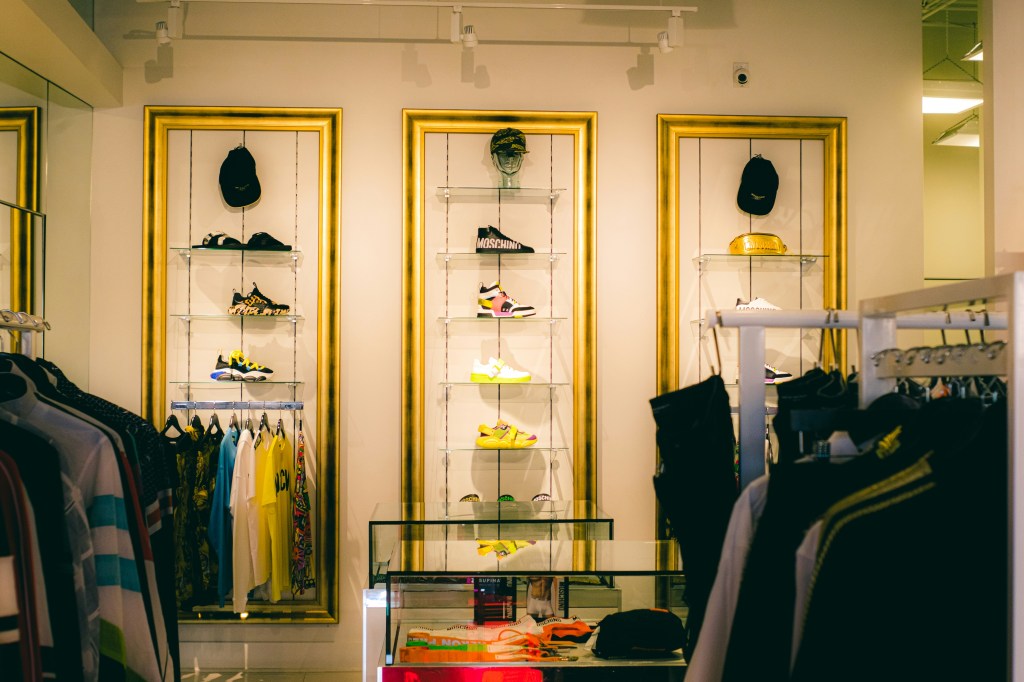
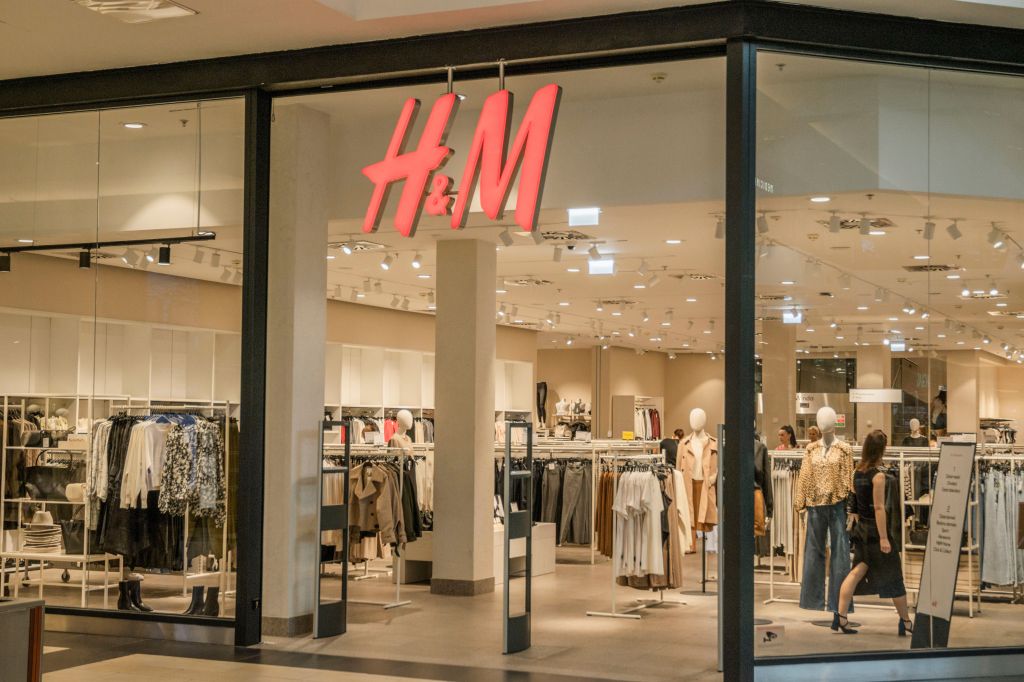
For many years, physical retail has been portrayed as being in decline. However, bricks-and-mortar stores still hold enormous value. The challenge is no longer how to protect the traditional store model, but how to evolve it. And this starts with reimagining stores as dynamic, hyper-local logistics hubs that power faster fulfilment, ease pressure on central operations and create seamless customer experiences.
From storefronts to strategic fulfilment hubs
Reimagining stores as mini distribution centres is among the smartest ways retailers can build operational agility. High Street stores sit within the communities they serve, offering proximity that central warehouses can’t match. This enables retailers to shorten delivery windows, reduce mileage and improve final-mile efficiency.
However, turning a store into a functioning fulfilment hub requires coordinated routing, workforce planning, inventory visibility and a clear understanding of local delivery patterns. This is where specialist logistics partners make a real impact.
Partners with experience in same-day and local delivery help shape the operational framework, from defining which stores are best suited for fulfilment, to designing efficient in-store workflows and managing capacity during peak periods. Bringing this expertise into the planning stage means retailers avoid costly trial-and-error and adopt a scalable model from day one.
The result is a decentralised network that relieves pressure on distribution centres and keeps stock flowing even when demand spikes.
Leveraging store inventory for local delivery
The shift to local fulfilment hinges on a retailer’s ability to mobilise inventory effectively.
Many organisations still treat online and in-store stock separately, creating disconnects that frustrate customers and complicate fulfilment.
A unified inventory model, supported by intelligent routing and real-time visibility, allows retailers to identify the closest, most efficient fulfilment point for every order. But implementing this isn’t always straightforward.
Logistics partners with strong technology platforms can help bridge these gaps by integrating order management with local delivery systems, providing real-time tracking and delivery intelligence, automating allocation to the best-positioned store – ensuring staff have clear, manageable workflows to fulfil orders quickly.
This collaboration eliminates stock silos and optimises the end-to-end journey. During peak seasons, logistics providers dynamically scale capacity, map local demand patterns, and ensure stores aren’t overwhelmed or underutilised.
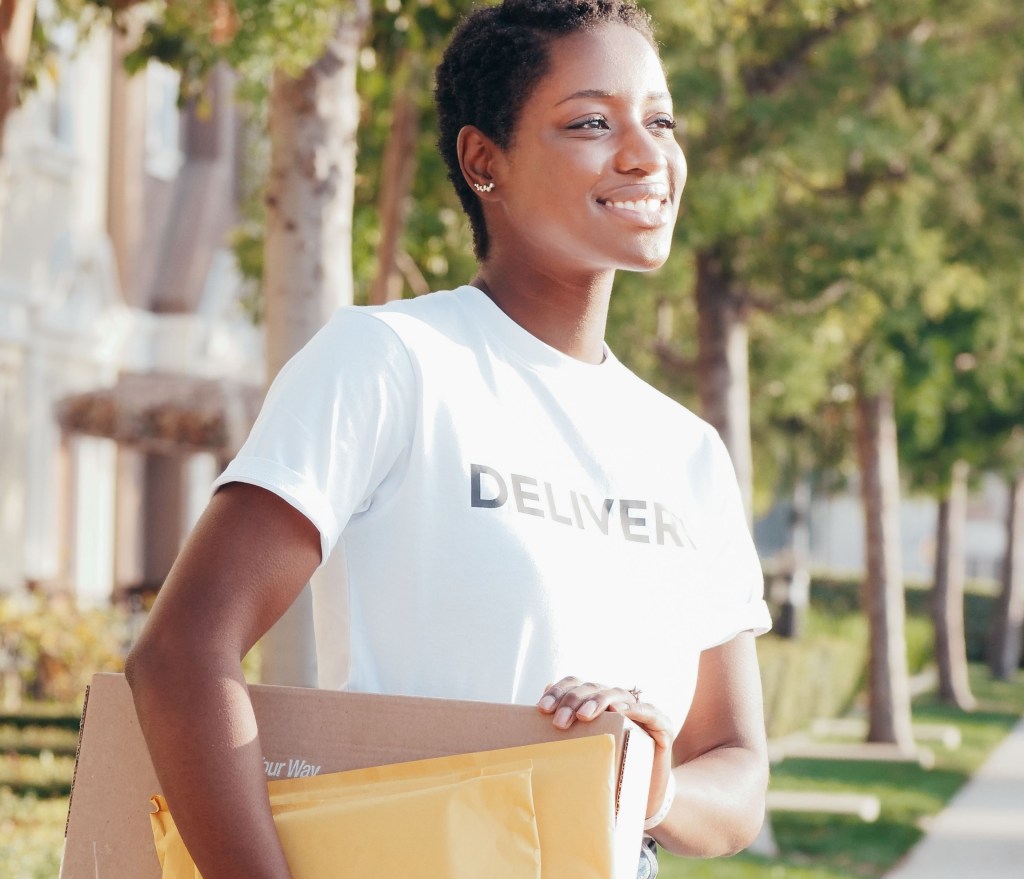
And, because stores are much closer to end consumers, retailers can offer commercially and operationally viable same day and even rapid delivery options that aren’t achievable through traditional distribution centres.
Click-and-Collect: Driving footfall and customer control
Click-and-collect continues to grow as one of retail’s most versatile channels. Customers enjoy the added control, while retailers benefit from increased footfall and operational efficiency.
Yet scaling click-and-collect across multiple locations requires strong coordination. Retail teams need clear visibility of incoming orders, well-defined storage processes and the ability to move stock quickly between locations.
Collaboration with logistics partners helps retailers align their pick-pack operations with collection demand. Whether that means scheduled same day stock replenishment, urgent same-day store transfers or rapid restocking during peak shopping days, logistics providers can keep stores supplied and ready – creating a consistent service that blends seamlessly with home delivery options.
Building agility through logistics partnerships
Ultimately, agility is the new currency in retail fulfilment. Being able to scale up when seasonal peaks hit and scale down during quieter moments protects margins while safeguarding customer experience.
Logistics partners play an essential role in creating this elasticity – providing flexible fleet capacity that adapts to fluctuating demand, local route intelligence to optimise speed and sustainability, real-time data and tracking to strengthen decision making, and a consultative approach – ensuring retailers design fulfilment optimised workflows.
This level of support enables retailers of all sizes, not just those with mature fulfilment infrastructures, to enter the world of local delivery and store-based fulfilment with confidence. For emerging brands, it lowers the barrier to adopting innovative delivery models. For larger retailers, it prevents strain on existing networks and future-proofs their operations.
As we look towards 2026, the retailers who thrive will be those who build these relationships early, test new fulfilment models ahead of peak periods and treat logistics partners as an extension of their own operational teams.
Future-proofing the High Street
Reimagining stores as fulfilment hubs isn’t simply a seasonal strategy, it’s a long-term evolution. When retailers align their physical estates with digital demand, they create a more resilient, efficient and customer-centric model that works all year round.
Consumers increasingly expect speed, convenience and consistency across every channel. By embracing a hybrid fulfilment approach powered by local stores and supported by agile logistics partners, retailers can deliver on those expectations, while also breathing new life into the High Street.
The future of retail isn’t about choosing between in-store and online. It’s about blending both to meet customers where they are. For retailers ready to rethink the role of their store estate, the opportunity is enormous. And 2026 could be the year that transformation truly takes hold.

Faye Calland is Sales and Marketing Director at CitySprint.
CitySprint is the UK’s largest same day distribution company.




Leave a comment