
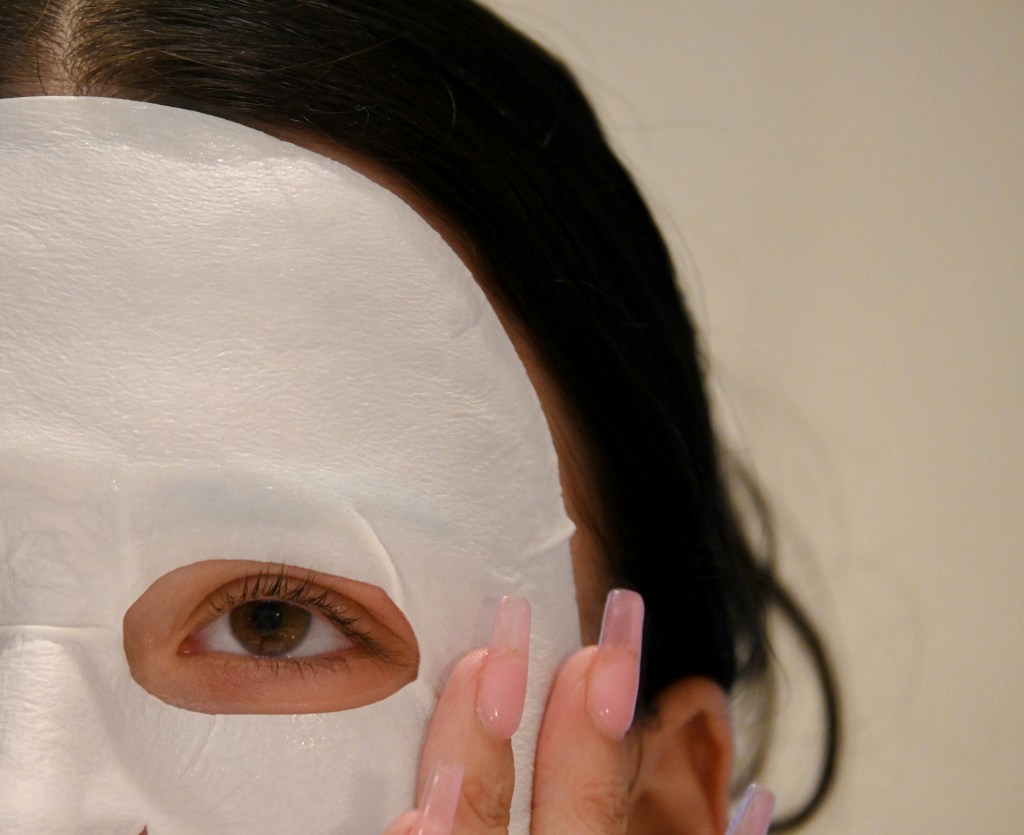
K-Beauty has cemented its place on the global beauty stage, according to a new report by consumer intelligence firm NIQ, which shows international sales of Korean Beauty products surged +53% year-on-year and +131% over the past two years.
In its latest ‘K-Beauty Goes Global‘ report, NIQ outlines how the Korean Beauty trend is reshaping consumer expectations, accelerating innovation cycles and redefining competitive dynamics across the global beauty market.
“K-Beauty has moved beyond trend status to become one of the clearest examples of how regional beauty innovation can translate into global growth,” said Tara James Taylor, SVP of Global Beauty Personal Care at NIQ.
Socially driven demand drives beauty innovation
Social commerce proved a key catalyst in the growth of the K-Beauty category, with data from TikTok Shop showing searches for Korean Beauty on its platform increased by +125% in the UK last year, while revenues for products across the UK, U.S., Spain and Germany rose by +430% year-on-year.
Meanwhile, omnichannel retailers have also been tapping into the trend, with John Lewis partnering exclusively with Skin Cupid to launch its first Korean beauty shop-in-shops. In response to rising demand – with searches soaring ~800% over the past year – John Lewis will also stock 20 Korean skin and haircare brands online.
As well as showcasing the role of digitally-driven demand on the segment, this also underscores how content and influencers are shaping consumers’ discovery-to-purchase of new beauty trends on social platforms, the report suggests.
The new factors shaping & scaling beauty
According to the report, K-Beauty’s rise also reflects a broader change in how beauty growth is created and scaled.
Formats such as sheet masks, acne patches, essences, serums and ampoules have moved from niche routines into everyday habits. Meanwhile ingredient-led innovation, including snail mucin, centella asiatica and PDRN, illustrates how some Korean beauty concepts have expanded beyond specialist audiences.
At the same time, K-Beauty is raising the bar for affordable, high-performance products, faster innovation cycles and commerce models that connect discovery to purchase more seamlessly.
“Its success is built on speed, cultural relevance and the ability to turn innovation into everyday habits,” James Taylor continued. “More importantly, it shows how beauty brands now need to read emerging regional signals earlier, understand how consumer demand is shifting, and act faster across markets.”





Leave a Reply