
From Temu investing in product compliance to create “trusted” shopping experiences, to John Lewis banking on beauty as a key growth category, and OurCoop tackling food waste through redistribution, what’s been making waves in retail this week?
Temu turns to product compliance to build shopper trust
Temu will partner with testing, inspection, and certification solution, QIMA, to strengthen product compliance and safety across its platform, creating more “trustworthy” shopping experiences.
QIMA’s testing and certification services, which include product testing, on-site factory inspections and digital compliance tools, will be integrated into Temu’s Seller Centre, making compliance resources available to sellers.
The product testing services will initially span electronics, jewellery and food contact items, with testing conducted against regulatory and safety standards. QIMA will also conduct on-site factory inspections for selected sellers to verify production processes and supply chain practices at the source.
Last year, Temu invested ~$100million globally in compliance, product safety and quality control, and said it plans to double that investment in 2026.
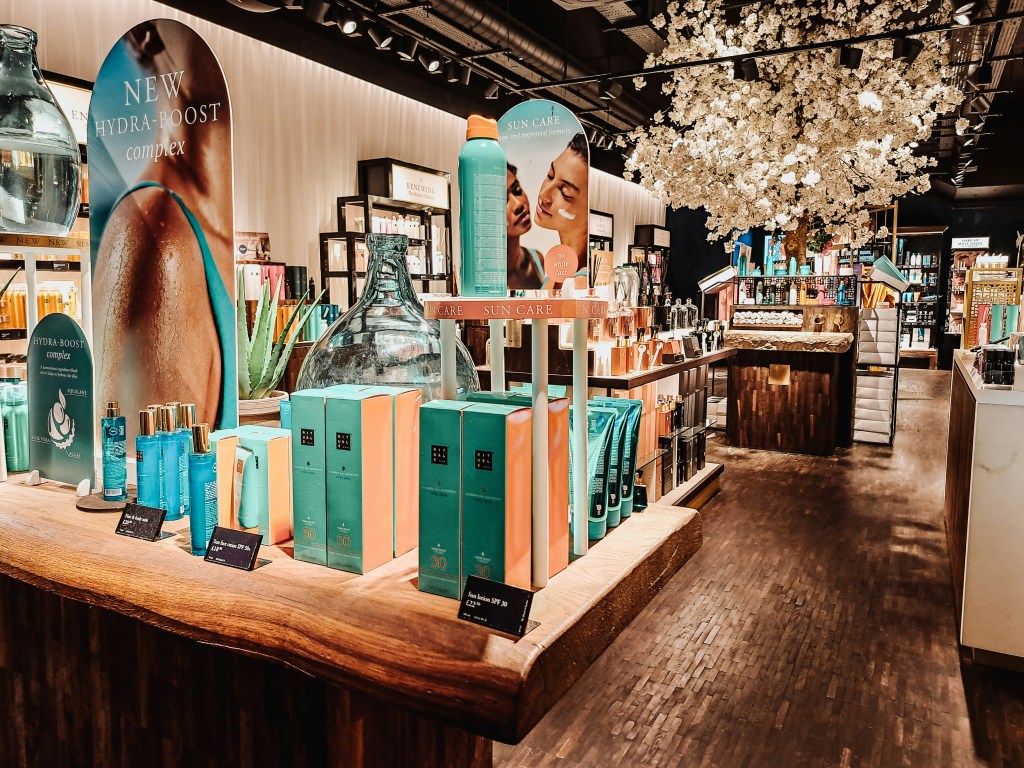
John Lewis bets big on beauty for category growth
John Lewis will focus on beauty as a strategic growth category, having seen beauty sales grow by +42% since 2020.
Announcing it will partner exclusively with Skin Cupid to launch its first Korean beauty shop-in-shops, the retailer said it would also invest more broadly in its beauty offering through loyalty innovation and new store services.
This week, the My John Lewis loyalty programme added MyJL Beauty to its scheme, offering tailored rewards and personalised offers based on beauty spend online and in-store. In addition, responding to growing demand for trusted advice, John Lewis has also rolled out Beauty Society, a dedicated in-store service for personalised consultations across 9 stores.
“These launches mark an important step in our broader beauty push as we continue to invest in the category across stores, loyalty and digital channels,” said Helen Spencer, Director of Beauty at John Lewis.
Shoppers want AI personalisation in delivery experiences
With AI creating enhanced personalisation across consumers’ online buying journeys, shoppers now expect the technology to create greater levels of responsiveness and fluidity in fulfilment, says new data from Ingrid.
Original research of over 1,000 shoppers by Ingrid showed that three quarters (75%) now want AI to offer more dynamic delivery costs at the checkout, with fulfilment fees calculated based on real-time information, such as demand or carrier capacity.
A further 28% also expect AI to personalise delivery charges served to them at the checkout, based on their order value and how regularly they shop, offsetting basket size and brand loyalty against fulfilment fees.
“Dynamic delivery offerings underpin the next fulfilment frontier. AI is moving from recommendation to action, and that shift will reshape commerce and delivery faster than most retailers realise,” said Piotr Zaleski, Founder & CPTO at Ingrid.
Guest Post | More data doesn’t equal better personalisation
Retail has never had more data, but at the same time, it’s never known its customers less, says Lee Nolan, GM UK&I at Hitachi Vantara.
Personalisation has become one of retail’s most overused promises, but still too often misses the mark for shoppers, who report generic, inconsistent and irrelevant experiences. In our latest guest post, he explores:
⛓️💥 The fragmented systems and data strategies holding retailers back
🤷 Why brands can’t personalise their way out of poor data
🧱 The foundations for real personalisation
🔠 Back-to-basics strategies for data foundations
Read the full article 👉 Guest Post | Hitachi Vantara’s Lee Nolan on why more data doesn’t equal better personalisation.
RTS delivers biggest ever innovation showcase
Retail Technology Show (RTS), the sector’s flagship event which connects leading retailers with cutting-edge technology providers, returned to London’s ExCeL last week, delivering its biggest innovation showcase.
RTS 2026 delivered wall-to-wall tech comprising over 450+ innovators on the expo floor, spotlighting new solutions powering the future of retail.
In what RTS speaker and Dragon’s Den star, Touker Suleyman, described as an “overwhelming” amount of innovation, the show floor was packed with a full spectrum of technologies, spanning AI, ecommerce and supply chain through to logistics, customer engagement and personalisation.
“RTS not only gets bigger and better every year, but it’s become the place where people can connect, converse and collaborate, and make those long-term connections that matter,” said Matt Bradley, Founder & Director at RTS.
“2026 has been another barnstormer – full of the energy, insight and innovation that reminds us how vibrant the retail sector remains,” he added. “We can’t wait to be back – even bigger and even better – next year.”
Viral TikTok fame causes fulfilment issues for 91% of brands
As more smaller retailers turn to TikTok for growth, many are finding that overnight success from viral campaigns are causing operational headaches, from inventory to fulfilment, new figures from money.co.uk reveals.
Its study showed that 96% are now using TikTok as their primary growth channel, with six in ten reporting a TikTok had gone viral, helping boost sales and enquiries.
However, while positive for sales, this was driving friction for business operations. Two fifths (42%) had run out of stock, 27% had experienced cash flow problems and 91% struggled to fulfil orders as a result of social demand surges.
“Many get overwhelmed with orders when videos go viral,” said Matt Browning, credit expert at money.co.uk. “TikTok marketing can make for long-term success, as long as businesses properly address and plan for any struggles that may come up.”
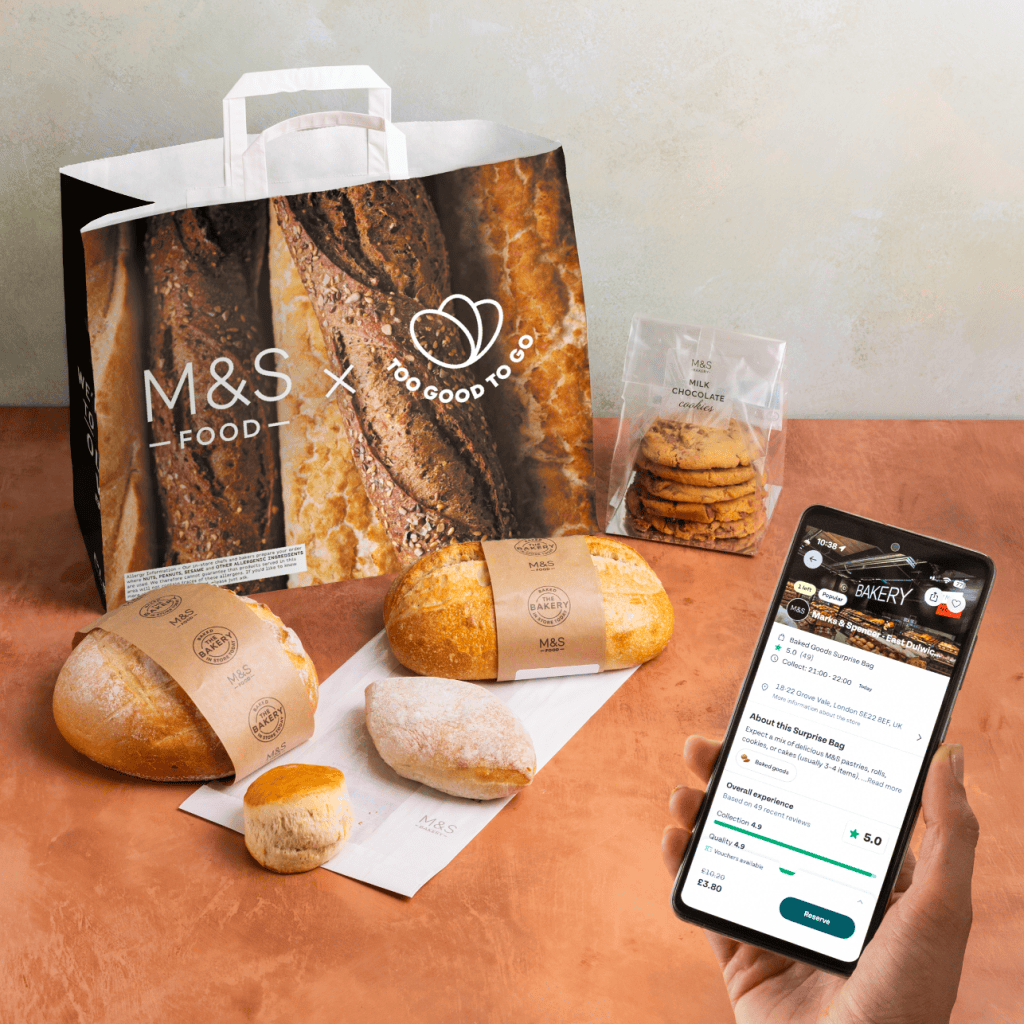
OurCoop prevents food waste with Olio tie-up
OurCoop has prevented 5.4million grocery items from being wasted in the last two years with Olio, marking a milestone in its food waste reduction efforts.
The partnership allows colleagues to alert local volunteers when food that would otherwise be wasted is available for redistribution. Olio volunteers then list the items on the Olio app for households to collect free of charge.
“By working together, not only are we limiting food waste, but we’re also helping households that need it most by putting meals on table,” Hannah Gallimore, Social Change Manager at OurCoop, said.
Since the start of the partnership in 2024, OurCoop has saved over 1,600 tonnes of excess food from being wasted and has prevented 7.1million kilograms of CO2 emissions – equivalent to removing 26million+ car miles from the road.

The Retail Recap is brought to you in partnership with Flagship PR, a specialist comms agency that delivers pioneering PR for retail tech.


 Retail Rewired
Leave a comment