
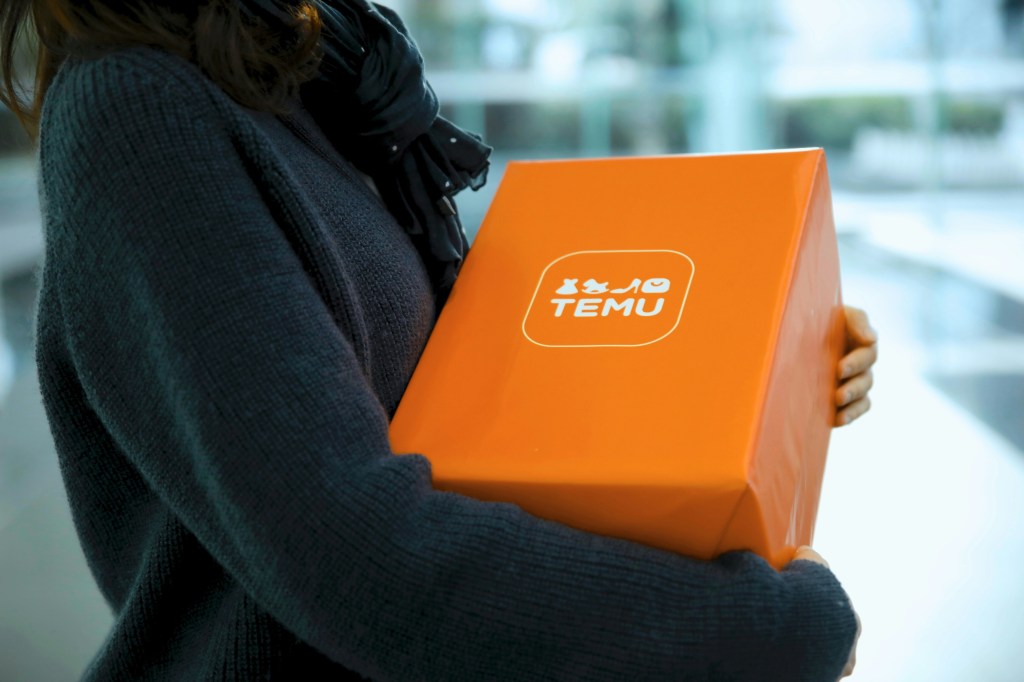
As competition from ultra-cheap ecommerce players continues to intensify, consumerswant the playing field to be levelled up, showing their support for home-grown retailers, the latest research from the Retail Technology Show (RTS) reveals.
The rise of Temu and SHEIN
The popularity of ultra-cheap online platforms, such as Temu and SHEIN, continues to win favour with price-conscious shoppers; last year, almost half (45%) made purchases on Temu and SHEIN.
Temu grew its European unique users to 115.7million each month in the first half of 2025, while SHEIN said UK sales had increased by a third to over £2billion, overtaking UK rival Boohoo and closing in on ASOS.
However, there are signs that Temu and SHEIN’s explosive growth may be starting to plateau amid market saturation, tightening regulation and ongoing questions into the sustainability of their trading models.
Consumers call for de minimis changes
Original research of over 1,000 UK shoppers by RTS revealed that over half (54%) believe the Government should bring in changes to the de minimis threshold to stop ultra-cheap ecommerce products flooding the UK market.
This rises to over two thirds (68%) of Gen Z – the very audience that index highest for Temu and SHEIN purchases. Eight in ten (82%) of Gen Z consumers in the UK shop on Chinese marketplaces, while 41% make at least one purchase on SHEIN a month – more than twice that of older generations (16%).
“There’s no denying that the lure of ultra-low-priced goods will appeal to squeezed consumers as downward pressure on household budgets continues to suppress spending,” said Matt Bradley, Founder & Event Director of RTS. “But while consumers want access to competitively priced goods, they also want to support home-grown retail brands,”
“Consumers are increasingly calling for the playing field to be levelled up to ensure the ongoing health of the retail sector and the High Street in the long-term.”
Following the lead of the U.S.
Last year, tariff changes and the abolishment of the de minimis rule in the U.S., which previously exempted low-value parcels from fees when entering the North American market, saw growth among Temu and SHEIN significantly slow.
Between March and May 2025, Temu’s daily active users in the U.S. dropped by -52%, while SHEIN’s fell by -25%.
It was widely expected that the UK would follow the lead of the U.S. in scrapping the de minimis rule in last year’s Autumn Budget, amid a broader international shift towards tightening low-value import regulations.
However, the rule – which exempts parcels worth under £135 from import duties – will now remain in place until March 2029, despite pressure from British retailers, including Primark, Currys and Next, and lobbying from the British Retail Consortium (BRC) for its abolition.
Retail regulation & policy in focus at RTS 2026
Helen Dickinson OBE, Chief Executive of the BRC, will speak on-stage at RTS 2026 in a session which will explore whether the UK Government is helping or hindering retail innovation, growth and investment.
Speaking on the Supernova Stage on 22 April at 9.40am, she will join Customer Whisperer Kate Hardcastle MBE for a fireside chat exploring policy, trends and the health of the retail sector. Meanwhile, Retail Economics’ Richard Lim takes to the stage on Day 2 (23 April, 1.15pm) to explore how retailers can tackle ongoing economic headwinds and disruption while meeting new and evolving customer demands face-on.
Dickinson and Lim will join 125+ industry luminaries – from Currys to Frasers Group and Aroma Zone – speaking at RTS 2026, covering sector-shaping topics and discussions across the all-star conference programme.
Back by popular demand, M&S Chairman Archie Norman returns as a headliner, while TALA founder Grace Beverley, and Dragon’s Den star Touker Suleyman also join the all-star headline speaker line-up.
To register to attend RTS 2026, visit: Retail Technology Show 2026.



 Retail Rewired
Leave a comment