
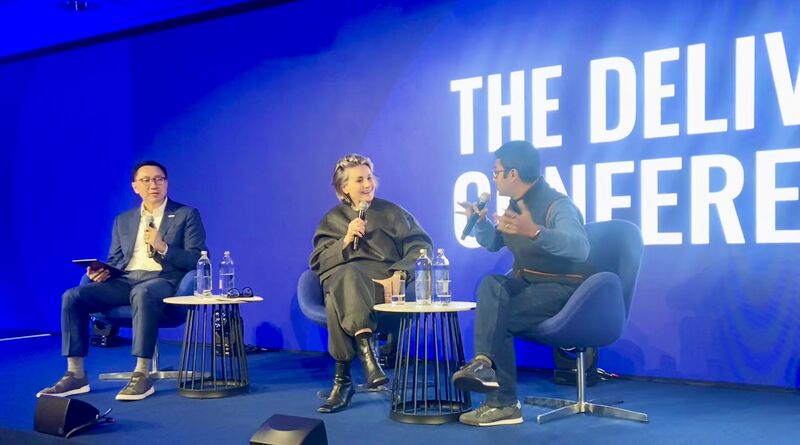
Embedding algorithmic intelligence into the fabric of human connection will be crucial to the future of retail, was the key outtake from a wide ranging discussion between Mary Portas OBE, Arka Dhar of Google DeepMind and Al Ko, CEO of Auctane, at The Delivery Confernece 2026.
Joy & community becomes renewed retail imperative for 2026
Asked by Ko to explain what felt different in retail now compared to five years ago, Portas said that in an increasingly “shaky and frightening” world, people still craved physical connection and “serendipitous discovery.” This requires brands to prioritise bringing “joy” and positive experiences to their customers, she said.
“We have become so used to efficiency and speed, but trust and desire is a vital part of the retail mix.” And so, businesses need to reconnect with human values, added Portas, who refuses to refer to shoppers as ‘consumers’, arguing that the term reduces individuals to ‘what’ they buy rather than ‘who’ they are.
In this context, physical retail spaces in 2026 will need to connect more deeply with human and community values. Portas revealed she is working with Westfield on its forthcoming development in Croydon, which follows her role in launching Westfield’s White City location in 2008.
On the Westfield Croydon project, their team is reimagining the role of traditional anchor stores. Rather than focusing on heritage retailers, or higher-end department stores, instead the Croydon development will centre on social spaces and hubs that create community infrastructure.
Ideas on the table include a music label supported youth club and a streetwear brand backed skate park, reflecting the growing need for third spaces that speak to “brand heart” and deliver hyper-localised community-led experiences.
AI enhancing – not replacing – human interaction
Reflecting on the role of AI and the speed of its adoption, Portas said: “I think the role of AI is not to try and mimic humans, but to actually make them more human.”
Using his own experience of buying a new car, Dhar said consumers are increasingly using AI to conduct pre-purchase research, meaning his own visit to the car dealership was less about discovery and more about seeking human validation, alongside a more subjective understanding of what the driving experience was actually like.
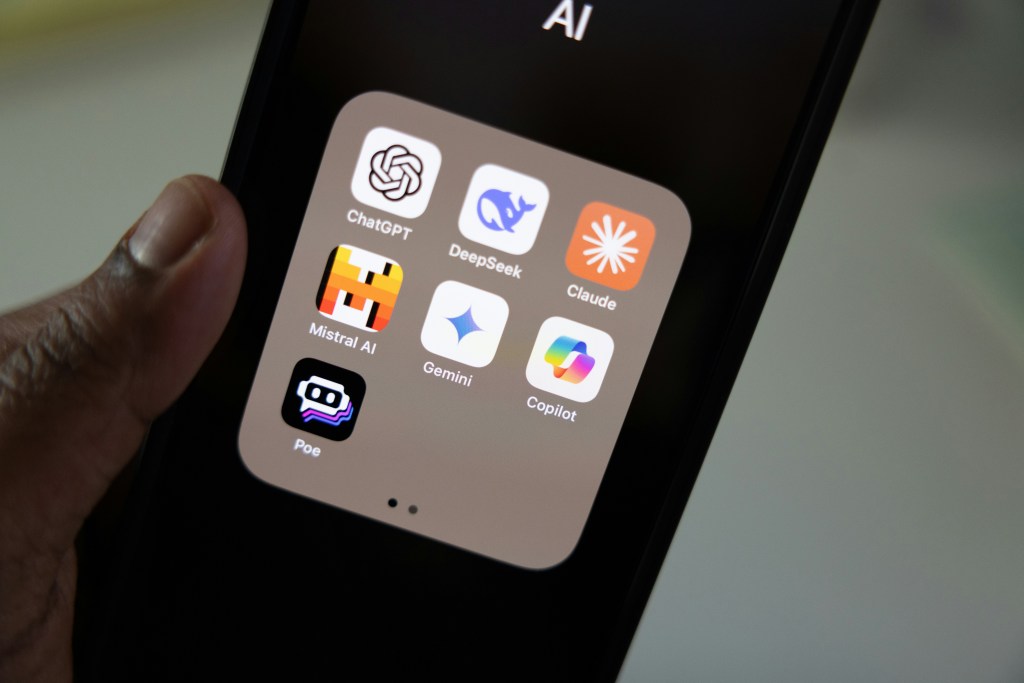
“What was super interesting,” he said, “was the salesperson also had ChatGPT open on his phone, and I had it open on my phone. We were asking each other questions, and then I was thinking, are we already reaching a point where two agents are just talking to each other and we’re just the vessels for voice? That felt quite reductionist, to be honest.”
While Dhar questioned the wisdom of outsourcing his own reasoning entirely to a bot, relying only a “quick vibe check” before acting on an AI recommendation, he was more emphatic about the value of conversational agents in supporting front-line retail staff.
By giving staff instant access to comprehensive product information, alongside prompt questions to interrogate customer intent, AI agents could help associates become more adept problem solvers. Armed with information, store associates can foster trust and stronger customer relationships, while demonstrating genuine care and offering informed, meaningful support.
The power – and misconceptions – around AI
Asked about the biggest misconceptions business leaders have about what AI can do, Dhar said one of the major challenge is getting AI models to “think and talk” like a specific company or brand, while leveraging their vast general knowledge.
Dhar explained that when attempts are made to overly constrain AI responses to specific guidelines or thought processes, performance can degrade, leading to issues such as “knowledge leakage and hallucinations”.
He outlined how LLMs operate on “reward models”, where they optimise for generating responses users will like, effectively getting a “dopamine hit” for successful predictions – making them powerful, but complex to integrate with business logic.
He added that the collection, organisation and delivery of data required to provide AI with the right context to generate valuable insight remains “a concept that isn’t super well understood by the enterprise world yet”, with data best-practice still nascent and largely absent across most organisations.
The paradox of delivery
Delivery, while seemingly logistical, is actually one of the most emotionally charged elements of the retail experience and is where brand values should meet consumer expectations, argued Portas, though this is not always bourne out in reality.
Portas shared her experience of having bought a Ralph Lauren suit for her OBE investiture ceremony, highlighting the sharp disconnect between the significance of the outfit and the occasion at Buckingham Palace, with a delivery option offering parcel collection from “the local vape shop on Camden High Street.”
This anecdote, she said, illustrates the paradox customers increasingly face across the retail journey, where LLMs can sometimes deliver a more human, empathetic service than in-store associates while the “touch, feel, connection, beauty and expertise” of retail is too often lost online – and undermined further by poor delivery experiences.
For more insights from The Delivery Conference 2026, Retail Rewired will be running a TDC 2026 Insights Special on 05 Feb 2026, sharing key insights and hot takes from across the event.


 Retail Rewired
Leave a comment