
Retail media has moved from a side project to a serious business line in a very short time. It now influences how retailers think about growth, how brands plan campaigns, and how shoppers experience both online and in-store environments, says Dan Sands, Director of EMEA at Zitcha.
The next 12 months will be less about “more of the same” and more about maturing the model. Retailers are working out what kind of network they want to be, which capabilities they really need to own and how to set themselves up for the next three years, not just the next quarter.
So, how will retail media networks evolving into 2026?
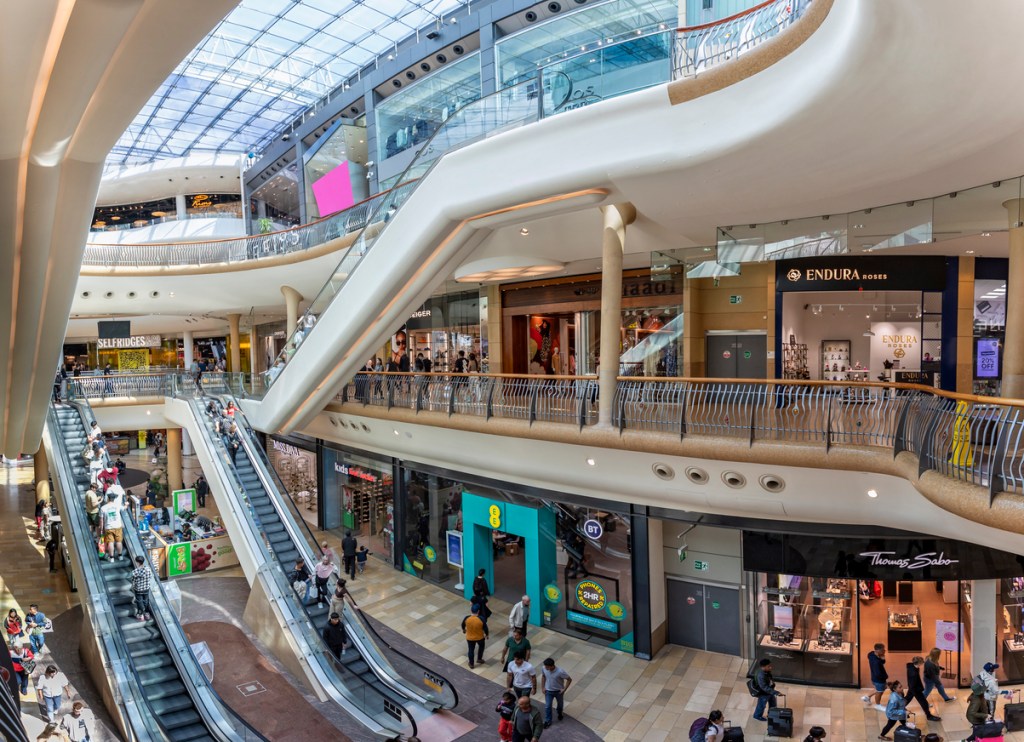
In-store becomes a real media channel, not a test line
In-store has been a conference talking point for years, but it is now moving off the whiteboard and into the store network.
Retailers want to offer brands a true 360-degree opportunity to reach shoppers, not just onsite banners and sponsored products. Brands, in turn, want to be present at the point of decision in-store, not only on the digital path that leads there. Capital expenditure is starting to reflect that reality, with more investment in screens and digitised formats that can be programmed and measured as media, not just signage. At the same time, brand budgets for video are expanding from traditional channels into retail media environments, including in-store video.
In 2026, the most advanced retailers will not simply sell “screen time”. They will frame in-store as a way to tie together brand, trade and performance investment, by making it easier for key suppliers to reach shoppers from awareness through to purchase, in one connected programme.
Customer experience becomes the lens for every ad product
A lot of retail media inventory still looks and feels like classic digital advertising. Tiles on a homepage. Sponsored rows in a category page. Ads running loops on a digital screen with little connection to the context around them.
That approach has clearly driven revenue. It will not be enough for 2026.
Retailers are under pressure to differentiate their experience and be genuinely important to their customers, not simply interchangeable on price. Retail media can help or hurt that goal, depending on how it is designed.
More networks will move away from thinking purely about placements and toward thinking about experiences. That means formats and journeys that:
- Help shoppers navigate choice, rather than add noise
- Feel native to the environment, whether that is a shelf, an app or a search result
- Reflect real behaviour, such as how loyal customers shop a category over time
In this next phase, the most valuable ad products will be the ones that lift conversion and customer satisfaction at the same time. The internal conversations will shift from “where can we place ads” to “where can we add value for shoppers and brands with the same interaction.”
Standardisation improves enough to change who wins
Ask any brand or agency what they want from retail media and standardisation and measurement are near the top of the list. Ask any retailer and you will hear a healthy tension. Standardisation can feel like it reduces room to differentiate, yet it is also the key to growing spend from advertisers that need simple, comparable metrics.
Into 2026 the industry will not suddenly harmonise, but it will become more navigable, driven by:
- More consistent reporting around sales and incrementality, even if the methodologies differ
- Clearer explanations of how performance is calculated and what is included
- Greater willingness to open up the right level of transparency so brands can invest with confidence
This does not eliminate competition between networks. It changes the terms of it. As measurement improves, it becomes easier to see which audiences really perform, which environments actually drive sales and which networks can genuinely support different objectives across the funnel.
That is likely to create some surprise winners, particularly among retailers who may not have the largest footprint but do have clean data, focused propositions and credible proof of performance.
Chat and AI will start to reshape discovery, quietly at first
Most retailers are still underestimating how quickly chat and AI-powered assistance will affect shopping. The change will not arrive overnight, but the direction of travel is clear.
Shoppers are beginning to move from “searching” to “asking”. Instead of scrolling through a category page, they are asking an assistant for the “best option for me” based on budget, use case and preference. That has big implications for how products are discovered and compared.
In 2026, retail media networks will not have all the answers here, and that is fine. What matters is that retailers start to prepare.
The networks that take a few thoughtful steps now will be in a much better position as conversational journeys become more common. Those who wait for a fully defined playbook are likely to find that the rules have already been set without them.
Margin becomes the next battleground for retail media
This year, retailers will look beyond revenue and focus more closely on margin – where it’s created, where it’s lost, and how their network can improve it.
As onsite, offsite and in-store channels mature, retailers will start to identify hidden gaps in value. The priority will be getting clearer on which formats, audiences and partnerships actually drive profitable growth.
This won’t require complex overhauls. It will come from better visibility, cleaner data and more deliberate control over how media is planned and sold.
In 2026, the retailers who progress fastest will be the ones who treat margin as a strategic signal, not just a financial outcome.
From inventory seller to growth partner
By early 2026, the retail media networks that are furthest ahead will look very different from the first generation.
They will treat in-store as a core surface, not a future project. They will design ad products that shoppers actually value. They will provide enough consistency and transparency for brands to invest with confidence, while still protecting what makes them unique. They will be taking practical steps to prepare for a world where chat and AI play a larger role in discovery. And internally, they will be building the muscles to scale without losing sight of customer experience.
Retail media will still be a fast-moving space. The difference is that retailers will be making decisions with a clearer view of where the model is heading and what kind of network they want to be when they get there.

Dan Sands, Director of EMEA at Zitcha.
Zitcha is the world’s first omnichannel, unified retail media platform enabling retailers to plan, deliver and report across their entire network, all in one place.


 Retail Rewired
Leave a comment