

As we look ahead to 2026, one thing is clear: customer experience (CX) no longer lives in a silo. It’s not a function, a department, or a set of initiatives. It has become the operating system of the most successful businesses – the lens through which every decision, every investment and every behaviour is judged, says Board Director and Consumer Champion, Martin Newman.
For decades, CX was measured by narrow frameworks, such as Net Promoter Score (NPS) or Customer Satisfaction (CSAT) benchmarks, which, while useful, are ultimately limiting. Businesses became fixated on scores rather than on substance.
That’s why I wrote my latest book, ROI Reimagined; to help organisations understand the broader, more meaningful levers of value creation. The 11 New ROIs – from Return on Inspiration to Return on Integration – reflect not just what customers expect today, but what will differentiate retail winners from the losers in 2026 and beyond.
Here are the five CX trends that will define the year ahead – and how they connect to the New ROIs shaping the next era of customer-centricity.
1. Agentic AI – an invisible co-pilot for every customer interaction
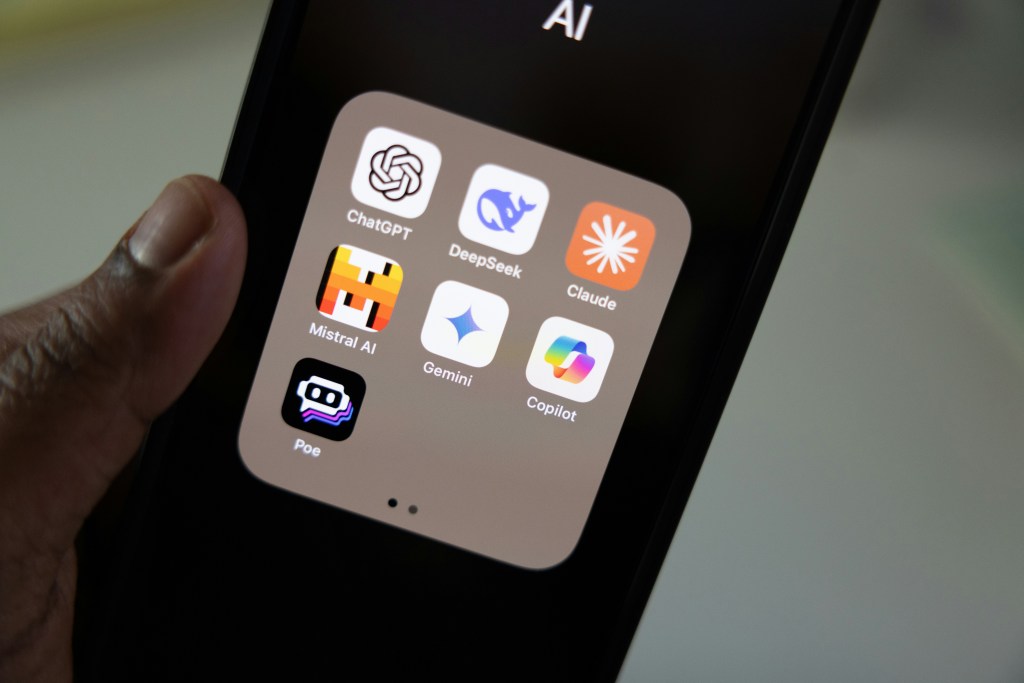
2023–2024 was the era of experimentation. 2025 was the year AI moved from novelty to necessity. By 2026, we’ll see agentic AI – autonomous, multi-step, context-aware systems – embedded across every touchpoint of the customer journey.
But here’s the key: the businesses that win won’t be those that simply automate. They’ll be the ones that use AI to empower their people, not replace them.
AI will take care of the friction – the tracking updates, the proactive notifications, the personalised recommendations – while employees focus on the moments that matter.
This shift directly supports Return on Interaction, Return on Intervention and Return on Integration, because customers experience fewer roadblocks and receive more seamless, anticipatory service.
2. Hyper-personalisation moves beyond “you might like” to “we understand you”
The next wave of personalisation won’t be about suggesting similar
products. It will be about meeting contextual needs.
Imagine a retailer recognising a customer’s dietary requirements instantly, or an airline adapting inflight service to a traveller’s anxiety levels, or a jeweller tailoring a consultation based not only on budget but on sentiment and intent.
Hyper-personalisation in 2026 will be fuelled by unified data, predictive analytics and AI-driven experience design.
It will also become a key driver of Return on Inspiration Return on Insight, and Return on Image – because customers increasingly reward brands that feel intuitive, empathetic and relevant.
3. Frontline experiences: the battleground for trust & loyalty
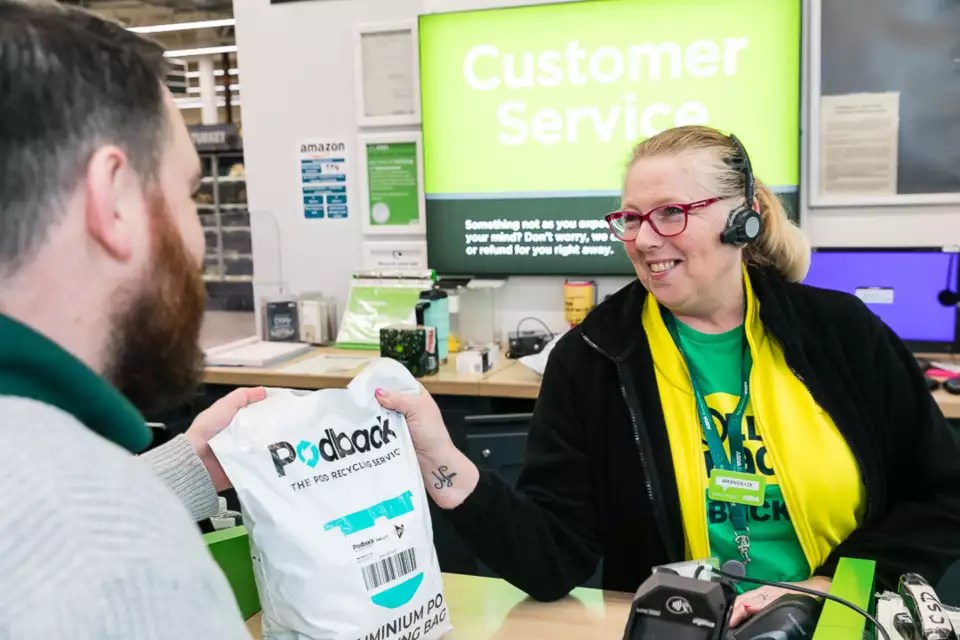
Despite the march of automation, people remain at the heart of CX. In 2026, the brands that outperform their peers will be those that invest deliberately in frontline capability, culture and empowerment.
Consumers can spot when a team is motivated, knowledgeable and proud – and equally when they’re stressed, unsupported and disengaged.
My work with brands across retail, travel, hospitality and automotive
consistently shows that Return on Inclusion, Return on Involvement and Return on Improvements directly correlate with higher sales per employee, higher conversion rates and stronger loyalty.
In 2026, frontline empowerment won’t be a ‘nice to have’, it will be a differentiator.
4. Loyalty models shift from points to principles
Traditional loyalty schemes are losing power. Customers no longer stay loyal because they’re earning a handful of points or getting a small discount. They stay loyal because the business stands for something that matters.
In 2026, loyalty will be driven by four things: transparency; authenticity; positive impact; and ease and convenience.
Brands that embed ethical practices, circular consumption, fair pricing, sustainable production and community impact will earn Return on Integrity – one of the strongest and most underestimated commercial levers.
This shift reflects a clear truth: loyalty is emotional before it is transactional.
5. Unified commerce finally reaches maturity
For more than a decade, retailers have talked about omnichannel. In 2026, we’ll finally see unified commerce reach its potential: stock, data, payments and experiences connected in real-time across every channel.
Customers won’t think about channels at all – they’ll simply experience the brand. That seamlessness delivers Return on Integration and Return on Interaction, reducing customer effort and operational friction in equal measure.
Businesses that fail to integrate their touchpoints will fall behind rapidly. Customers will no longer tolerate fragmented experiences.
The real story of 2026: CX becomes the CEO’s agenda
The most important trend of all? CX will become inseparable from organisational strategy.
Boards will use the New ROIs to evaluate transformation, not just financial outcomes. Leaders will understand that culture is the engine room of CX. And businesses that put people – customers and employees alike – at the centre of their decisions will outperform those that pursue short-term efficiencies at the cost of long-term loyalty.
The future of CX isn’t just about technology. It’s about humanity powered by technology. And in 2026, that blend will separate the good from the truly great.

With over 40 years of experience leading retail operations, Martin Newman is a speaker, educator and author dedicated to driving positive change for consumers and brands.
Martin’s book, ROI Reimagined is available to order from Amazon, Waterstones and Barnes & Noble.


 Retail Rewired
Leave a comment