
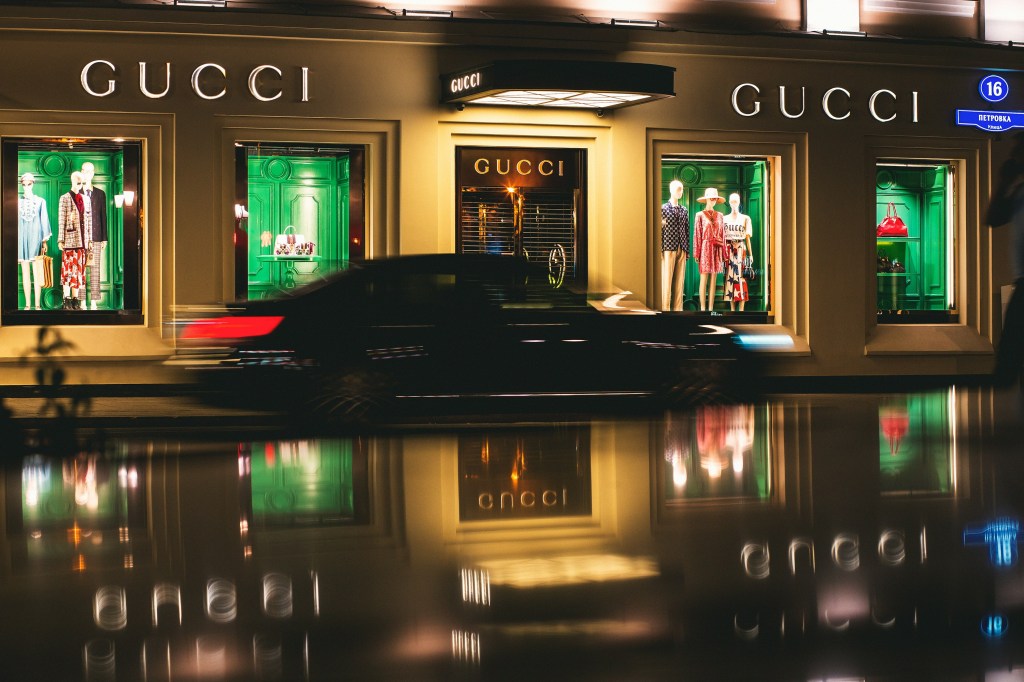
A surge in AI-generated imagery and high-quality counterfeit products is eroding trust in the luxury market, with nearly two-thirds (63%) of High-Net-Worth (HNW) shoppers worried it has become too easy to mistakenly buy fake goods online, according to new research from Havas Media Lux.
The study, which surveyed affluent consumers across the UK, the U.S., China and emerging Asian markets, found that concerns over authenticity are reshaping how wealthy shoppers engage with luxury brands. Counterfeit versions of labels, such as Louis Vuitton, Prada, Rolex, Gucci and Chanel, have flooded digital marketplaces, prompting buyers to become increasingly wary about where – and how – they spend.
Authenticity concerns have become one of the most significant shifts in the global luxury market this year, and the top concern among UK HNW consumers. Two in five respondents said they are now prepared to switch brands due to doubts about product authenticity, with fake content online emerging as the leading trigger for brand defection.
Authentic assurance and in-store shopping
As trust in online shopping declines, affluent consumers are gravitating towards in-person, experience-led retail to verify purchases and reinforce confidence in the brands they buy from. 40% now prioritise buying in environments where they can see and authenticate the product first-hand.
The appetite for premium physical experiences has grown sharply over the past year. The data shows a +68% increase in interest in pop-up stores and events, alongside a +54% rise in demand for exclusive, invite-only experiences.
Private shopping and concierge services have also gained traction, up +45% year-on-year, while more than half of UK luxury shoppers say they are turning to re-sale or second-hand purchases for the added reassurance of proof-of-purchase authenticity.
The rise of proof-based luxury
Paradoxically, the deluge of fake and low-quality content may end up reinforcing the long-term value of true craftsmanship. A quarter (25%) of respondents said they now conduct more extensive research before buying, with the same proportion placing greater emphasis on quality, artistry and brand heritage over impulse spending.
“The brands that put verification at the heart of their storytelling will retain both trust and commercial value,” said Cherry Collins, Strategy Partner at Havas Media UK.
“We see this already in the heritage houses that are continuing to grow through quiet exclusivity and creative stewardship, such as Brunello Cucinelli, thriving on timeless design and humanist values, and Rolex addressing authenticity and re-sale concerns directly through its Certified Pre-Owned programme. Proof-based luxury is now a competitive advantage,” Collings added.

 Retail Rewired
Leave a comment