

The UK is moving more than ever. Six in ten people are now exercising each week, gyms are busier, and the sports and outdoor retail market is worth nearly £13 billion a year.
But growth in activity doesn’t automatically translate into growth in sales. To really benefit, retailers need to stay with consumers through the whole journey whether that’s lifting in the gym, heading out on a hike, or doing push ups in the living room, says Antony Hoyland, Director of Sales at Visualsoft.
The people buying sports kit today don’t always see themselves as runners, cyclists or lifters. They don’t have one passion or sport but switch between it all. A weight session midweek, yoga on Friday, and a trail run on Sunday. Or at least have the best of intentions to. The “hybrid athlete” is now the norm.
That means categories matter less than goals. Retailers that think in terms of outcomes – like strength, endurance or recovery – rather than a simple product or traditional category can guide shoppers better than ones who simply split products into aisles. That might be how retailers think, but it’s not how consumers think.
Imagine walking into a shop and instead of seeing just rows of shoes, you find a “5k improver” section. Trainers, foam roller, compression socks, and a hydration pack all in one place. Or a “micro-adventure kit” with lightweight gear, camping essentials, and recovery snacks. Bundles like this feel like a training plan, not just a shopping trip. They make the experience personal – and drive that average order value as people want the whole lifestyle.
Once that first sale is made, the work isn’t done. A lot of people now train at home, and retailers need to stay part of that picture. Modular gear helps. A starter dumbbell set that can be built up as someone gets stronger. A yoga kit that begins with a mat and later adds blocks, straps and even online classes. Pairing physical products with content – from training guides to live-streamed workouts – keeps people engaged and reminds them where they started; and where they are going.
Personalisation is another piece of the puzzle. Loyalty programmes and online browsing leave behind useful signals. Used well, they can create helpful nudges. A runner might get a reminder that their shoes usually need replacing after 500 miles. Someone exploring weight training could be pointed towards recovery bands or nutrition options. The key is to sound like a coach, not a pushy salesperson. Done right, it builds trust, and drives loyalty.
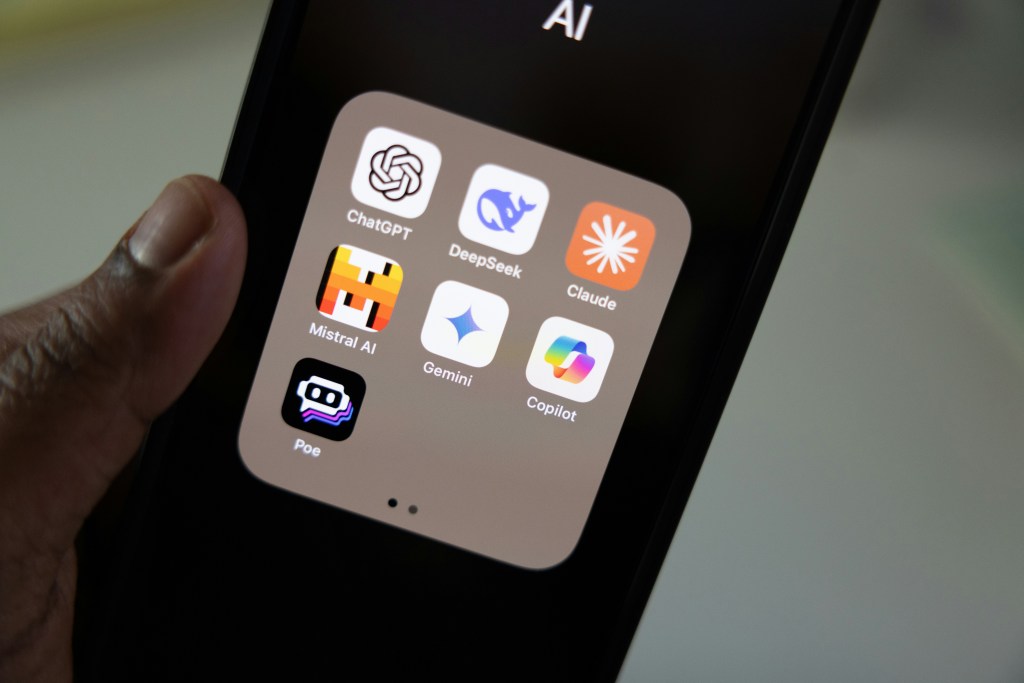
Technology can smooth the path too. AR try-ons help people see if shoes fit, improve speed, feel comfortable – all before clicking buy. AI chat assistants can offer instant advice on sizing, training goals, or gear comparisons, acting as something of a personal shopper. These tools don’t just reduce returns – they build confidence, and that confidence is what turns browsers into buyers.
But loyalty isn’t only digital. Community still counts. Shoppers are looking for experiences that connect them to something bigger than themselves. Local pop-up events, weekend challenges, or online fitness groups tied to brands can create that sense of belonging. We do a lot of work with SportsShoes.com, and I’ve even got them along to my run club in Teeside. For younger audiences especially, exercise is about mental wellbeing and connection as much as physical fitness. A retailer who fosters that community becomes more than a shop.
Alongside all of this sits a shift in values. More than eight in ten outdoor consumers now think about sustainability when they buy. Recycled fabrics, biodegradable mats, or kit rental schemes aren’t a niche interest any more but an expectation. Shoppers want to know that performance and planet can go hand in hand.
Generational habits matter as well. Millennials and Gen X have the biggest budgets and often look for quality gear that lasts. Gen Z, while not spending as much yet, are shaping culture with their focus on hybrid workouts, eco choices, and digital-first shopping. Older generations remain active but lean towards functional equipment that supports long-term health. A one-size-fits-all approach will not work.
In the end, what links all of this is a shift from product-first to people-first. The new shopper doesn’t want a single item to tick a single box. They want brands that move with them – flexible, helpful, and aligned with their values.
The UK fitness boom is a huge opportunity. But it is also a test. A test of ecommerce fitness, pun intended. Retailers who adapt now, connecting gym floor to living room, products to content, and individuals to communities, will be the ones who turn this surge of movement into real and lasting loyalty.

Antony Hoyland, Director of Sales, Visualsoft.
Visualsoft is a UK ecommerce agency and platform that builds online stores, runs performance marketing, and helps retailers grow sales.
 Retail Rewired
Leave a comment