


With UK retail sales declining under the weight of inflation, high interest rates, and weaker demand, consumers are increasingly turning to loyalty programmes to help manage these challenges, says Andrew Norman, SVP & GM, EMEA, Commerce.
These schemes not only provide financial relief through discounts and rewards, but also a sense of stability and familiarity at a time when household budgets are under strain.
A fragmented loyalty landscape
Recent data indicates that European consumers now belong to around nine loyalty programmes on average. However, the loyalty landscape is fragmented and as consumers spread themselves thin across multiple brands, engagement drops.
BCG’s research shows that only schemes tied to necessities, like groceries and pharmacies – or paid value, such as subscriptions and credit cards, manage to cut through the clutter. For retailers, this signals a need to rethink and differentiate their loyalty strategies to drive consumer engagement and long-term loyalty, especially among younger shoppers.
With growing pressure to earn loyalty comes higher expectations. Today’s consumers want more than basic punch card; they’re looking for personalised, seamless experiences that feel like genuine relationships, not just marketing tactics.
Transforming insights into lasting loyalty
To meet the constantly evolving expectations of today’s consumers, brands need to power their loyalty programmes with data integration — converting previous customer behaviour patterns into actionable insights.
Consumer data insights allow brands to create more personalised content to target specific audiences and understand which medium it is best to share that information through. For example, Gen Z tends to prefer receiving information through social media, while older generations are more likely to engage with email.
This ensures content is relevant and easily accessible, driving conversion to sales. By taking this approach, brands can progress beyond standard loyalty perks like blanket product discounts, customising offers to what individual shoppers are actually interested in, making the process feel more relevant and personal.
When shoppers receive timely, relevant rewards, satisfaction rises which is key for fuelling long-term loyalty. By embedding data analytics into their loyalty tech stack, brands and retailers shift from reactive to proactive engagement, strengthening retention and driving revenue growth.
AI-powered hyper-personalisation at scale
AI-driven automation empowers loyalty schemes to deliver dynamic, personalised value at scale. In fact, 73% of Gen Z and Millennials say perks, such as early access, exclusive product input and tailored discounts, motivate them to sign up to programmes.
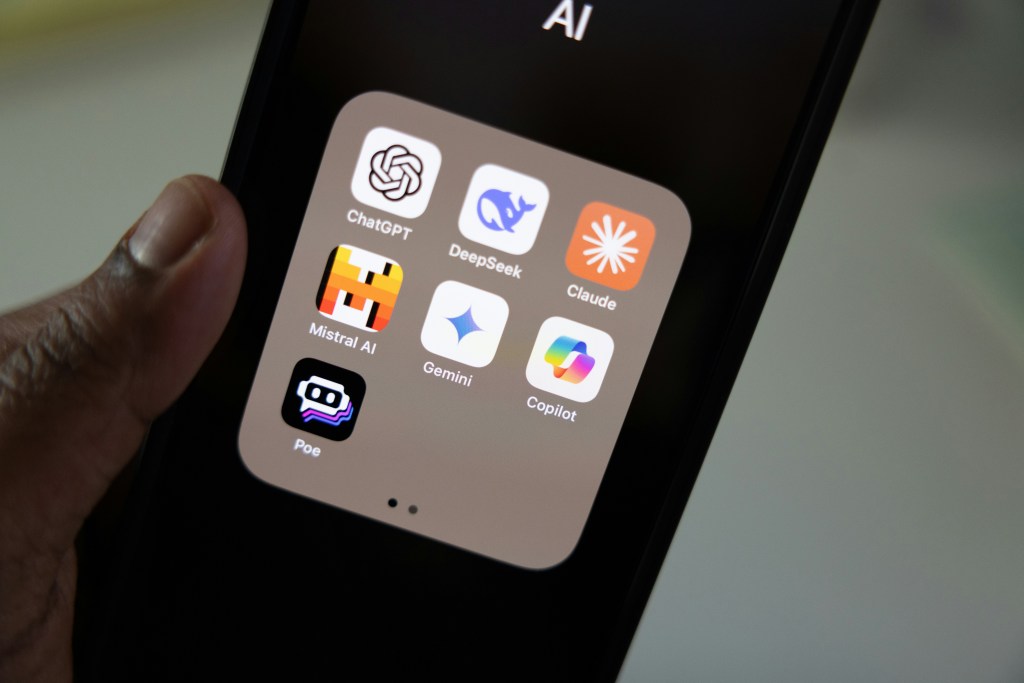
Agentic AI enables real-time strategic decision-making across rewards, marketing messages and even inventory management. For example, if an item is out of stock, an AI agent, trained on a retailer’s specific data set, can alert a consumer agent when it becomes available again, seamlessly matching customer needs.
Similarly, by analysing purchase history, browsing behaviour and social engagement, AI agents can trigger the right reward or offer at the exact moment of interest, turning data into immediate and actionable insights that help brands capitalise on customer intent.
Accuracy is critical, just as inconsistent pricing erodes trust in ecommerce, outdated or misaligned loyalty offers also reduce engagement.
Automated feeds and real-time analytics ensure offers are relevant, timely, and trustworthy. With agent-to-agent (A2A) commerce, rewards and redemptions can happen directly within AI assistants, search interfaces or other platforms. Brands that embed AI-driven automation into loyalty programmes can deliver seamless, personalised experiences at scale — driving conversions, building trust, and fostering long-term loyalty in this new agentic ecosystem.
Driving loyalty through seamless omnichannel journeys
Consumers value consistent and convenient loyalty programmes across both digital and physical channels. In fact, in the UK 69% of consumers prioritise mobile-friendly access to their accounts so they can use it wherever they are.
For brands and online retailers, this means unifying loyalty data across apps, websites and physical locations, while designing mobile-first experiences that allow customers to redeem rewards instantly, whether they’re in-store, browsing online or shopping on social platforms.
By delivering seamless omnichannel experiences, brands not only build trust and satisfaction but also generate richer, real-time datasets. These insights fuel more accurate personalisation, predictive marketing and, ultimately, stronger long-term engagement.
The future of loyalty programmes
Future-ready loyalty programmes will rely on intelligent AI and data-driven insights to create dynamic systems that engage customers, personalise every interaction and foster lasting brand affinity.
Companies adopting this model will cultivate powerful brand advocacy across all platforms and unlock long-term growth, whereas those that fail to adapt will be left struggling in stagnant environments.

Andrew Norman, SVP & GM, EMEA, Commerce.
Commerce delivers flexible, AI-driven solutions for next-generation commerce, bringing together BigCommerce, BigCommerce, Feedonomics and Makeswift.


 Retail Rewired
Leave a comment