
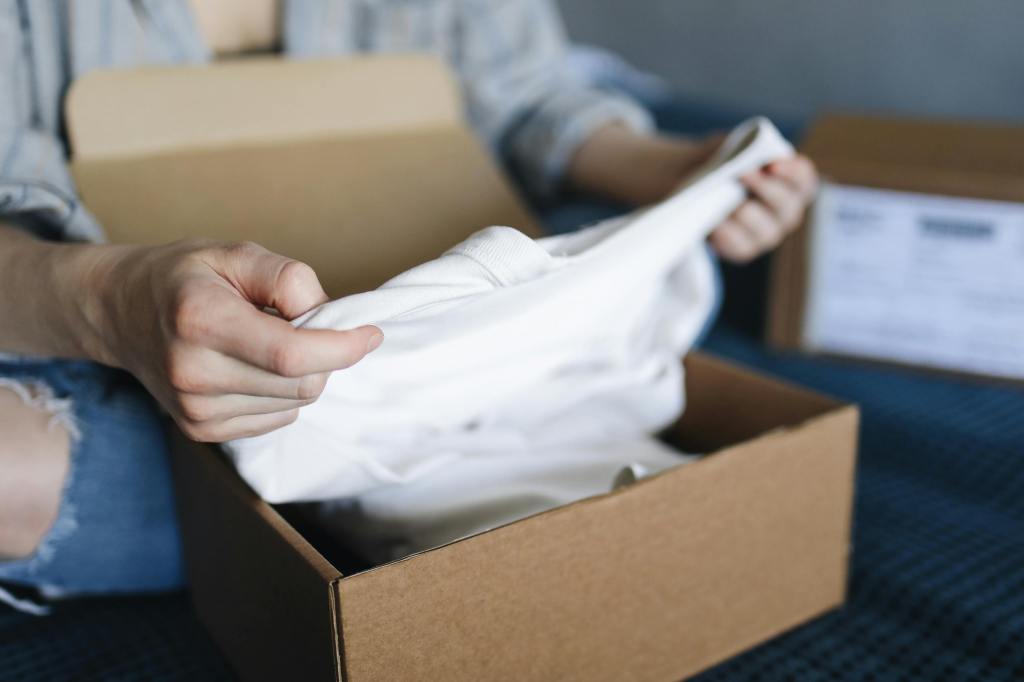
For ecommerce retailers, returns are an unavoidable part of doing business. Yet too often, they’re viewed solely as a cost centre, a logistical headache, a ’sunk’ sale and a missed opportunity.
However, in today’s vastly competitive market, progressive retailers are starting to see returns through a different lens: not just as a necessity, but as a chance to deepen customer relationships and retain revenue that might otherwise walk out the door. This shift couldn’t be more timely, says John-David Klausner, GM International at Loop.
Returns rates hit an all time high
According to IMRG, UK online return rates are reaching all-time highs, particularly in apparel and footwear, where return rates can exceed 30%.
The rising volume of ecommerce purchases, coupled with increasingly flexible return expectations, means the cost of returns is growing as fast as the top line for many retailers.
Yet data suggests that many of these returns aren’t rejections of a brand, but rather a mismatch: the wrong size, an unexpected colour or a last-minute change of heart. That insight presents an opportunity. Instead of defaulting to refunds, forward-thinking retailers are now proactively nudging customers toward exchanges and reaping the rewards.
The psychology behind the exchange
When a customer initiates a return, it’s rarely because they didn’t like anything about the product. More often, something small didn’t quite work: a shirt fit too snugly or a pair of trainers didn’t match the intended outfit. In these moments, brands have a chance to intervene before the shopper drifts away.
Timing is everything. If the customer has to wait for a refund, hunt down the right product again and repeat the checkout process, the likelihood they’ll follow through diminishes rapidly. Consumers are far less likely to shop with a retailer again after a difficult return experience.
On the flip side, a seamless exchange flow can not only salvage the transaction – it can build long-term loyalty.
What works: Lessons from UK brands
Several UK-based brands are already leading the way in turning returns into a strategic advantage. By tailoring product recommendations within the return flow based on the customer’s stated reason for return, there is an immediate window of opportunity for merchants to recommend a new product, removing friction and shortening the time to re-purchase.
Oh Polly, a fashion-forward brand popular among Gen Z shoppers, has found success offering Bonus Credit, a small incentive that encourages shoppers to choose store credit or a higher-value exchange instead of a refund. Not only does this keep money in the business, but it also drives up-sell opportunities along with a chance for customers to find something they love. In fact, our data shows brands that offer bonus credit often see exchange basket values exceed the original purchase amount by 15–20%.
Performance footwear brand Hylo Athletics also reports that customers who opt for exchanges are nearly 60% more likely to make a repeat purchase within three months compared to those who receive refunds.
Exchange tactics that drive results
Retailers looking to adopt a similar strategy should consider several key elements, including instant exchanges or incentivised bonus credits.
By offering instant exchanges, retailers can make it easy for shoppers to swap one variant for another – like a different size or colour – without waiting for the original item to be received back. This keeps the momentum of the transaction alive and improves the customer experience. Meanwhile, for shoppers requesting a refund, offering a small bonus – say, an additional £5 in credit – can be enough to tip the scales toward a retained sale. This works especially well in categories with high repeat purchase rates, such as fashion and beauty.
Retailers can also use return reason data to surface tailored product recommendations, ensuring the shopper finds something they’re more likely to keep. By personalising returns flows, brands not only reduce return rates over time, but also build trust by demonstrating they’re paying attention to individual needs.
Brands can also choose to segment their return policies. Not all products are equal in terms of margin, size, or resale viability. Using flexible returns technology allows retailers to configure rules by SKU or category – offering full refunds for certain items, exchanges-only for others, or incentivised store credit in strategic cases.
Why it matters right now
Converting refunds into exchanges doesn’t just improve retention, it materially boosts profitability and helps to protect margins.
Our work with more than 5,000 global brands shows that retailers can retain up to 50% of at-risk revenue through optimised exchange flows. It’s this approach that has helps brands retain revenue – much of it from moments that traditionally would have ended in churn.
Moreover, the cost savings are clear. Studies from Bain & Company show that acquiring a new customer costs five to seven times more than retaining an existing one. So, if a return experience determines whether a customer will come back – or disappear for good – the stakes are high.
Returns don’t have to be a loss leader. For retailers willing to invest in smarter systems and more thoughtful processes, returns can become a revenue-preserving safety net and a powerful touchpoint for customer engagement.
In a market defined by choice and volatility, every retained customer and every salvaged sale counts.

John David Klausner is GM International at Loop.
Loop is a pre- and post-purchase platform that helps ecommerce brands improve customer retention and operational efficiency.



 Retail Rewired
Leave a comment