
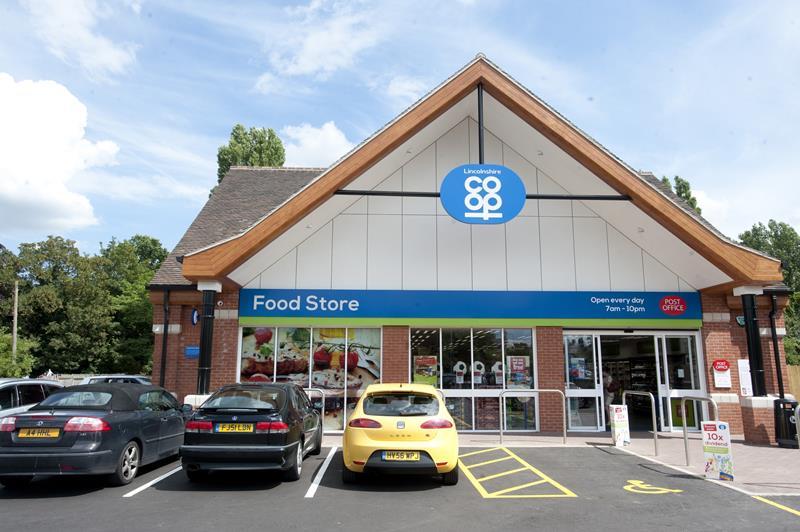
Lincolnshire Co-op has hit a significant ESG milestone as part of its sustainability commitments, saving almost 1.8million tonnes of food waste in the last year. The retailer optimised its waste management process by partnering with Retail Insight, the leading provider of in-store execution software.
Founded more than 160 years ago, Lincolnshire Co-op is an independent co-operative, operating 220 outlets within the region, including food stores, pharmacies, post offices, travel branches, funeral homes, and other services.
Looking after the local environment is one of the retailer’s core values. With food waste reduction a key lever in reducing total emissions, Lincolnshire Co-op partnered with Retail Insight, using its data-driven waste management solution, WasteInsight.
Last year, by using the solution, Lincolnshire Co-op saved almost 1.8million tonnes of food waste, a rise of +6.8% compared to 2023. This equates to preventing 4,818 tonnes of CO2e from being emitted – translating in to enough energy to power ~5,726 UK homes for a year.
“It’s been great to work alongside Retail Insight to further reduce food waste, and we’re already seeing a remarkable impact,” Craig Adamson, Head of Food Operations at Lincolnshire Co-op, said.
“We’re committed to looking after our local environment and this applies to everything we do; from the way our outlets are designed, to how we source electricity. All of this, combined with our efforts to reduce waste, helps us to work towards our sustainability goals.”
Craig Adamson, Head of Food Operations, Lincolnshire Co-op.
Looking ahead, Lincolnshire Co-op will roll out an enhanced version of Waste Trim, one of the latest features of the WasteInsight platform, which uses a data-led model to optimise stock assortment, minimise overstocking and further cut food waste.
Waste Trim analyses historical data, sales patterns and expiration dates to highlight and identify products or ranges that are regularly wasted. These insights will enable Lincolnshire Co-op to optimise stock assortment and minimise overstocking on frequently wasted items, reducing the amount of produce entering the Reduced To Clear (RTC) process and, ultimately, reducing wasted food.
“Lincolnshire Co-op is coming at its food waste reduction efforts from all angles,” Kieran O’Brien, VP Customer Success EMEA at Retail Insight, commented. “As well as preventing RTC items from entering landfill with dynamic markdowns, it’s using data to cut the volumes of produce even entering its RTC process.”



 Retail Rewired
Leave a comment