

Gen Z now describe themselves as more thoughtful than frivolous shoppers, the latest research from Snapchat and Portas Agency reveals, as the demographic rejects its ‘impulsive’ stereotype.
Original research by Snapchat and Portas Agency, which polled over 2,000 Gen Z consumers in the UK, showed that 95% disagree that they’re impulsive when shopping. Instead, Gen Zers regard themselves as being budget conscious (25%) as well as ‘thoughtful and considered’ in their buying behaviours.
Considered and thoughtful buying behaviours elongate conversion times
And this considered purchasing habit means Gen Z takes longer to convert while weighing up a product, leaving room for brands to step up engagement during this phase of Gen Z’s path to purchase.
Almost six in ten (57%) said they leave items in their online basket for a number of days or even weeks, while a further 53% can take over two days to decide to buy something. Meanwhile a similar number (58%) are more inspired to convert when they’ve had time to think about the purchase and assess if ‘it feels right.’
However, whilst the discovery and consideration phases in Gen Z’s buying journeys are becoming longer, once they reach their decision, they seek more immediate fulfilment. A a digitally-native demographic used to on-demand retail, three quarters (76%) want to buy ‘exactly what they want, when they want, as soon as possible’ once their have reached their buying decision.
Shopping is still social for Gen Z
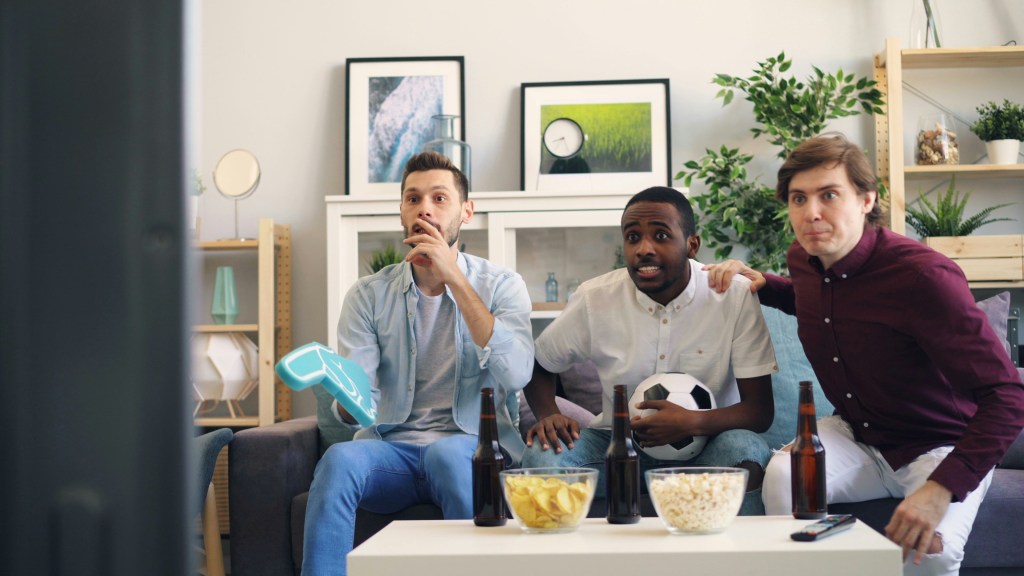
Over two fifths of Gen Z (42%) treat shopping like a social activity and a further 58% shop as a form of entertainment, highlighting the opportunity for brands to deepen engagement with Gen Z by allowing them to socialise and ‘hang out’ in their retail spaces, whether physical or virtual.
“In the future, we believe the powerful convergence of augmented reality (AR), optical AI and [wearables] will transform the way people live and shop,” Ronan Harris, President of EMEA at Snap, said.
According to Harris 70% of its Snapchat community are using AR every day, with its AR-powered lenses being used an estimated 8billion times per day. “Our research shows Gen Z want connection over frictionless consumption, with more than a third highlighting the appeal of virtual ‘try-ons’ – a technology that hasn’t been adopted by the majority of retailers yet,” Harris added.
However, while younger consumers are increasingly demanding AR adoption, extended reality (XR) shouldn’t be deployed in isolation, Michael Riedl, CEO of Team Internet, said when speaking at London Tech Week. “XR can’t just be about recommending products in isolation, it needs to be about building in emotion connections with shoppers and this requires a multi-sensory approach,” he said.
Gen Z crave human connection
“The future belongs to the retailers who understand people – especially the next generation shaping culture,” Mary Portas OBE, Broadcaster, Author, Activist & Founder of Portas Agency, said.
“Gen Z expects speed and convenience; but what they really crave is real human connection, meaning and shared experience. My team and I call this WE-Commerce: experiences that build social capital, spark belonging and make brands truly magnetic. This is how the smartest retailers will win.”
Mary Portas
Portas called on retailers to ‘unleash their creativity’ and “make shopping better, more human, more joyful and magical than it’s ever been.”


 Retail Rewired
Leave a comment